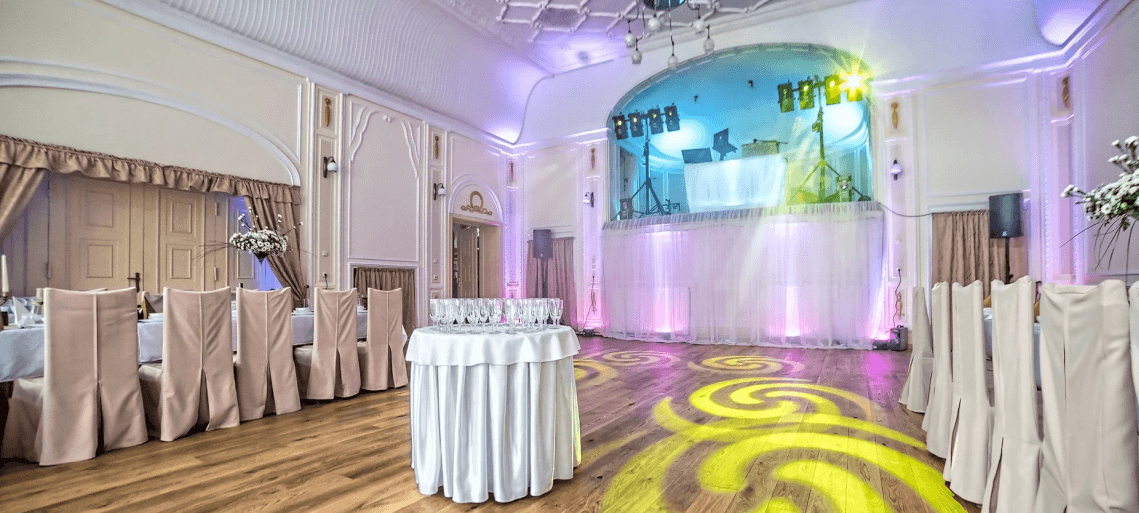
Canadians guessed the average wedding costs about $19,000 in a BMO survey. RBC puts the real 2025 average at about $32,000.
Here’s a surprising fact: most Canadians have no idea what a wedding actually costs. In a 2026 survey, BMO found that Canadians guessed the average wedding costs about $19,000. The real number is much higher. According to RBC, the average Canadian wedding cost about $32,000 in 2025.
That gap between what people expect and what they actually spend is where budget stress begins. The good news is that you can avoid it. A realistic budget isn’t about spending as little as possible. It’s about knowing your numbers, choosing what matters most and making a plan you can stick to.
This guide walks you through the process step by step.
Step 1: Know What Weddings Really Cost
Before you set your own number, it helps to understand the bigger picture.
Most sources place the average Canadian wedding somewhere between $30,000 and $42,000, as reported by the CBC using data from WeddingWire Canada and The Knot. Where you live makes a big difference. RBC notes that costs can run more than 25 per cent higher in cities with expensive venues, like Toronto and Vancouver.
Keep in mind that “average” doesn’t mean “normal” or “required.” Plenty of couples have beautiful weddings for far less, and some spend much more. The average is simply a starting point to help you see where you might land.
Step 2: Look Honestly at Your Finances
Your wedding budget should be based on your real financial situation, not on what friends spent or what you’ve seen online.
Sit down with your partner and answer these questions together:
- How much have we already saved?
- How much can we save each month between now and the wedding?
- Do we have debts, like student loans or credit cards, that we’re still paying off?
- What other goals are we saving for, like a home, a car or an emergency fund?
Here’s a simple formula to get your starting number:
Current savings + (monthly savings × months until the wedding) + family contributions = your wedding budget
For example, if you have $8,000 saved, can put away $1,000 a month for 15 months and expect $5,000 from family, your realistic budget is about $28,000.
A word about debt
It can be tempting to put wedding costs on a credit card or a loan, and many couples do. RBC reports that 31 per cent of couples took on debt to pay for their wedding. If you’re thinking about borrowing, try this test from Scotiabank: set aside the amount your monthly loan payment would be for a few months before you borrow. If it feels too tight, that’s a sign to scale back.
Step 3: Talk About Family Contributions Early
In some families, parents or relatives help pay for the wedding. In others, couples cover everything themselves. Both are completely normal.
If someone offers to help, have a clear and friendly conversation early on. Ask:
- How much are they planning to give?
- When will the money be available?
- Do they want it to go toward something specific, like the dress or the venue?
- Do they expect any input, such as adding guests to the list?
Scotiabank points out that family contributions can come with conditions, like wanting a say in the guest list. Talking about it upfront prevents hurt feelings later.
One important tip: don’t count money you haven’t been promised. Only include confirmed contributions in your budget.
Step 4: Pick Your Top Three Priorities
Every couple values different things. Some care most about amazing food. Others want stunning photos or a packed dance floor. Knowing your priorities helps you decide where to spend more and where to save.
Each of you should write down your top three wedding priorities separately, then compare lists. You’ll probably find some overlap. Those shared priorities are where your money should go first.
Everything that doesn’t make the list is a place to cut back if your budget gets tight.
Step 5: Divide Your Budget by Category
Once you have a total, break it into categories. This keeps you from overspending in one area and running out of money for another.
Here’s a common breakdown for Canadian weddings, based on guidelines from RBC:
| Category | Typical share of budget |
|---|---|
| Venue and catering | 40%–60% |
| Photography and videography | 10%–15% |
| Music and entertainment | 8%–12% |
| Wedding attire | 8%–10% |
| Flowers and decorations | 5%–8% |
| Transportation and accommodations | 5%–8% |
| Gifts and favours | About 2.5% |
| Other (invitations, cake and extras) | 5%–10% |
Sample $30,000 wedding budget
Here’s how that might look for a couple with a $30,000 budget, including a cushion for surprises:
| Category | Amount |
|---|---|
| Venue and catering | $14,000 |
| Photography and videography | $3,600 |
| Music and entertainment | $2,400 |
| Wedding attire, hair and makeup | $2,700 |
| Flowers and decorations | $1,800 |
| Transportation | $900 |
| Invitations, cake, favours and extras | $1,600 |
| Emergency cushion (10%) | $3,000 |
| Total | $30,000 |
Remember, this is just a guide. If photography is your number one priority, you might move money from décor to photos. That’s exactly how a personalized budget should work.
Step 6: Let Your Guest List Shape Your Budget
Your guest count is the biggest factor in how much your wedding costs. Every guest adds a meal, a chair, a drink, an invitation and often a favour.
Catering costs can range from about $75 to $100 per guest and can reach $200 per guest for a formal plated dinner, according to RBC. That means cutting just 20 guests could save you thousands of dollars.
Try sorting your guest list into three groups:
- Must invite: immediate family and closest friends
- Would like to invite: extended family and good friends
- If space allows: co-workers, plus-ones and casual friends
Start with the first group, then add from the others until you hit your budget limit.
Step 7: Plan for Hidden Costs
Many couples are caught off guard by expenses they didn’t plan for. Watch out for these common ones:
- Sales tax: Depending on where you get married, sales tax can add between 5 and 15 per cent to many vendor bills. See the table below for your province or territory.
- Service charges and gratuities: Many venues and caterers add a service charge on top of food and drinks. Always ask if it’s included in the quote.
- Vendor tips: Set aside money to thank vendors like your DJ, hair stylist and servers.
- Delivery, setup and cleanup fees: Rentals and flowers often come with extra charges.
- Alterations: Dress and suit alterations can add a few hundred dollars or more.
- Marriage licence: Fees vary by province and territory.
- Postage: Mailing invitations and thank-you cards adds up.
- Accommodations: If you’re getting married out of town, you’ll need somewhere to stay too.
Sales tax rates by province and territory
Most vendor quotes don’t include sales tax, so it’s easy to forget. Here are the current general rates, as listed by the Canada Revenue Agency:
| Province or territory | Tax type | Combined rate |
|---|---|---|
| Alberta | 5% GST | 5% |
| British Columbia | 5% GST + 7% PST | 12% |
| Manitoba | 5% GST + 7% RST | 12% |
| New Brunswick | 15% HST | 15% |
| Newfoundland and Labrador | 15% HST | 15% |
| Northwest Territories | 5% GST | 5% |
| Nova Scotia | 14% HST | 14% |
| Nunavut | 5% GST | 5% |
| Ontario | 13% HST | 13% |
| Prince Edward Island | 15% HST | 15% |
| Quebec | 5% GST + 9.975% QST | 14.975% |
| Saskatchewan | 5% GST + 6% PST | 11% |
| Yukon | 5% GST | 5% |
A few things to keep in mind:
- Nova Scotia’s rate recently dropped. The HST went from 15 to 14 per cent on April 1, 2025, according to the Canada Revenue Agency, so older wedding guides may show the wrong number.
- Separate provincial taxes don’t apply to everything. In British Columbia, Manitoba and Saskatchewan, the provincial tax covers most goods but only some services, so it may not appear on every vendor’s bill. The 5 per cent GST applies to most purchases everywhere in Canada.
- Some items have special rates. In British Columbia, for example, the provincial government charges 10 per cent PST on liquor and 8 per cent on accommodation, instead of the usual 7 per cent. That matters if you’re paying for a bar or a hotel block.
- Small vendors may not charge GST or HST. Businesses that earn under a certain amount each year don’t have to register, so some smaller vendors won’t add it.
- The location of the wedding is what counts. Tax is generally based on where you receive the goods or services, not where you live. A Calgary couple getting married in Ontario should budget for Ontario’s 13 per cent HST.
When you request quotes, always ask: “Does this price include tax and service charges?”
Your emergency cushion
This is why an emergency cushion is so important. Scotiabank recommends setting aside about 10 to 15 per cent of your total budget for surprises, last-minute changes, fees and taxes.
Step 8: Get Real Quotes, Then Adjust
Your first budget is an estimate. Once you start contacting vendors, you’ll see what things actually cost in your area.
Request quotes from at least two or three vendors in each category. Compare not just the price but what’s included. A photographer who charges more but includes an engagement shoot and a second shooter might be the better deal.
If quotes come in higher than expected, you have three options:
- Move money from a lower-priority category.
- Find a lower-cost option in that category.
- Increase your total budget, but only if you truly can afford it.Tip: Use WeddingResources.ca to compare vendors in your city or province side by side. Seeing several options at once makes it much easier to find great value.
Step 9: Track Every Dollar
A budget only works if you keep track of it. Create a simple spreadsheet with these columns:
- Category
- Vendor
- Budgeted amount
- Actual cost
- Deposit paid
- Balance owing
- Payment due date
Update it every time you book a vendor or make a payment. It’s also a good idea to open a separate savings account just for the wedding. Scotiabank suggests a joint account with automatic monthly transfers, so saving happens without you having to think about it.
Smart Ways to Stretch Your Budget
If your dream wedding costs more than your budget allows, try some of these ideas:
- Choose an off-peak date. Fridays, Sundays and months outside the June-to-September peak season often come with lower prices.
- Trim the guest list. It’s the single biggest way to save.
- Serve a brunch, lunch or cocktail reception instead of a formal dinner.
- Offer a limited bar, like beer, wine and one or two signature drinks, instead of a full open bar.
- Pick seasonal, local flowers. They’re usually cheaper and fresher.
- Rent or buy second-hand décor and attire.
- Use digital invitations to save on printing and postage.
- Keep your wedding party small.
- Serve a small cake for cutting and offer cupcakes, cookies or a dessert bar for guests.
Don’t Forget About Your Guests
Your budget affects your guests too. In the BMO survey, guests expected to spend about $1,530 to attend a wedding, including travel, clothing and gifts, and 40 per cent of Canadians said attending weddings was a major source of financial stress.
If you’re planning a destination wedding or asking your wedding party to buy specific outfits, keep their costs in mind. Simple gestures, like booking a discounted hotel block or letting bridesmaids choose their own dresses in your colour, can make a big difference.
The Bottom Line
A realistic wedding budget starts with honest numbers and clear priorities. Know what weddings cost, look closely at your own finances, decide what matters most and leave room for surprises. Most importantly, keep talking with your partner throughout the process.
Your wedding is one day, but your financial life together lasts much longer. The goal is a celebration you love, without a pile of debt waiting for you when it’s over.
Ready to Find Vendors Within Your Budget?
WeddingResources.ca helps couples across Canada search, compare and connect with wedding vendors in every province and territory. Browse venues, photographers, caterers, florists and more, and find the right fit for your style and your budget.